

The most refined aesthetic work is rarely about changing a single feature. It is about understanding how structure, movement, volume, and time shape the face as a whole.
There is often a moment when a patient looks in the mirror and senses that something has changed. She may appear more tired than she feels. Her jawline seems less defined, her eyes slightly heavier, or her lips no longer feel quite in proportion with the rest of her face. She can see the difference, but she cannot always name it.
This is partly because the feature drawing our attention is not necessarily the source of the change.
A hollow beneath the eye may begin with diminishing support in the cheek. A lip that appears less prominent in profile may have as much to do with the position of the chin as the lip itself. A deepening fold beside the mouth may reflect changes occurring higher in the midface. The face is interconnected, and it rarely ages one feature at a time.
Facial balancing begins with this understanding.
What Is Facial Balancing? Beyond the Individual Feature
The term facial balancing is used often in aesthetic medicine, sometimes as shorthand for an appointment involving several syringes of filler. But true facial balancing is neither a product nor a predetermined package. It is a way of looking at the face.
Rather than isolating the lips, cheeks, chin, or jawline, we study the relationship among them. We consider the face from the front, in profile, and in motion. We look at where light falls, where shadows have developed, how the muscles influence expression, and where structural support may have changed with time.
The intention is not to create perfect symmetry. No natural face is perfectly symmetrical, nor should it be. Subtle differences between the two sides of the face create character and individuality. The goal is harmony: allowing each feature to sit more naturally within the whole without erasing the qualities that make the face recognizable.
The most sophisticated result is often difficult to identify. Nothing appears obviously “done.” The face simply looks more rested, more proportionate, or more like itself again.
The Art of Knowing Where to Begin with Facial Balancing Begins
Patients understandably arrive with a particular concern. They ask about their under-eyes, the depth of their smile lines, the shape of their lips, or a jawline that no longer feels as defined as it once did.
A thoughtful consultation begins by listening to that concern, but it does not end there.
Consider the under-eye. The instinct may be to place filler directly into the hollow, yet the transition between the lower eyelid and cheek is influenced by bone structure, midface volume, ligament support, and skin quality. In some faces, restoring support to the cheek first creates a softer, more natural transition without treating the under-eye directly.
The lips offer another example. A patient may feel that they disappear from the side, but adding lip volume alone may not create the balance she is seeking. If the chin is recessed, even beautifully treated lips can appear disconnected from the profile. A subtle improvement in chin projection may do more for the lips than treating the lips themselves.
This is why, in an ideal sequence, the lips and under-eyes are often among the final details rather than the starting point. We first consider the architecture supporting them.
Facial Balancing Treatments: One Face, Several Layers
The face changes on several levels at once. Bone remodels over time. Fat compartments shift and diminish. Ligaments stretch. Collagen production slows. Muscles continue to pull in familiar patterns, sometimes becoming more dominant as the structures around them change.
No single treatment can address all of these processes, which is why facial balancing is often multimodal.
Neurotoxin, dermal filler, and biostimulators each serve a distinct purpose. Their value lies not only in what they can do independently, but in how thoughtfully they can be used together.
A multimodal plan does not necessarily mean more treatment. Quite often, it means more precise treatment: selecting the right intervention for the reason a change has occurred instead of asking one product to solve every concern.
Movement: The Role of Botox and Other Neurotoxins
Neurotoxins, such as Botox® and Daxxify®, are most commonly associated with forehead lines and crow’s feet, but their contribution to facial balancing is far more nuanced.
The muscles of the face exist in a constant relationship. Some lift; others depress. Some broaden the lower face or pull at the corners of the mouth. Others influence the position of the brows, the appearance of the chin, or the tension visible through the neck.
When a provider understands these opposing forces, neurotoxin can be used not simply to soften a wrinkle, but to subtly rebalance movement. Carefully placed treatment may create a gentle brow elevation, soften downward pull around the mouth, relax chin dimpling, refine a strong masseter, or reduce the prominence of platysmal bands.
The objective is not a motionless face. Expression is part of beauty. The art lies in quieting the movements that contribute to heaviness or imbalance while preserving those that allow the face to remain animated and familiar.
Structure: The Role of Dermal Filler in Facial Balancing
Dermal filler is often described as a way to “add volume,” but that definition is incomplete. In facial balancing, filler is used to restore support, refine proportion, and influence the way one feature relates to another.
A small amount placed with intention may strengthen the chin, support the midface, soften temple hollowing, define the jawline, or bring the lips into better proportion with the profile. The treatment is not about making every feature larger. It is about understanding where volume will improve the architecture of the face and where it would only create fullness.
This distinction matters. Filling a visible line may temporarily soften it, but it does not always address why the line developed. Supporting the structures around it may create a more elegant result with less product.
More filler is not synonymous with better facial balancing. Restraint is an essential clinical skill. The provider must know not only where to place product, but when an area has enough and when it should not be treated at all.
The Foundation: The Role of Biostimulators Like Sculptra and Radiesse
Biostimulators occupy a different space within aesthetic medicine. Rather than focusing solely on an immediate change in shape or volume, treatments such as Sculptra® and Radiesse® encourage the body to produce more of its own collagen.
Their effects emerge gradually, which is part of their appeal. Over time, they can improve the foundation of the face by supporting tissue quality, restoring diffuse volume, and strengthening contours that have softened with age or weight loss.
Biostimulators are especially valuable when the concern is broader than one feature. A patient may not need a sharply defined correction in a single area; she may need greater support
throughout the face. In these cases, collagen stimulation can become the foundation upon which more targeted treatments are considered later.
Sculptra and Radiesse are not identical, nor are they interchangeable. Each has its own composition, behavior, and ideal applications. Choosing between them requires an understanding of the patient’s anatomy, skin quality, volume loss, and long-term goals.
Is Facial Balancing Right for You? A Face Is Not a Formula
There is no universal number of syringes that defines facial balancing. There is no sequence that suits every patient and no ideal proportion that should be imposed on every face.
A younger patient seeking subtle profile refinement may need very little treatment. Someone experiencing significant volume changes after aging or weight loss may benefit from a gradual plan completed over several appointments. Another patient may be best served by neurotoxin alone, a biostimulator before filler, or a recommendation to leave a particular feature untouched.
A full-face assessment does not mean treating the full face. It means that every treatment decision is made with the full face in mind.
At Rosewater Aesthetics, we view facial balancing as a process rather than a transformation completed in a single afternoon. We begin with anatomy, listen carefully to what the patient wants to preserve, and build a plan in a deliberate sequence. Structure comes before decoration. Support comes before finishing details. And sometimes the most important recommendation is to wait.
The Beauty of Still Looking Like Yourself
Aesthetic medicine is at its best when it does not compete with the face in front of it.
The purpose of facial balancing is not to replace individuality with an idealized template. It is to understand what gives a face its character, identify where balance has shifted, and make thoughtful adjustments without obscuring the person beneath them.
The result should feel quietly convincing. Friends may notice that you look refreshed. Photographs may feel more flattering. Your features may seem to belong together more naturally. But the most important quality remains unchanged: you still look like you.
That is the difference between simply treating a feature and truly understanding a face.
In the next installment of our facial-balancing series, we explore the anatomy of expression: how neurotoxins work, why advanced anatomical knowledge matters, and how precise treatment can create balance without sacrificing movement.
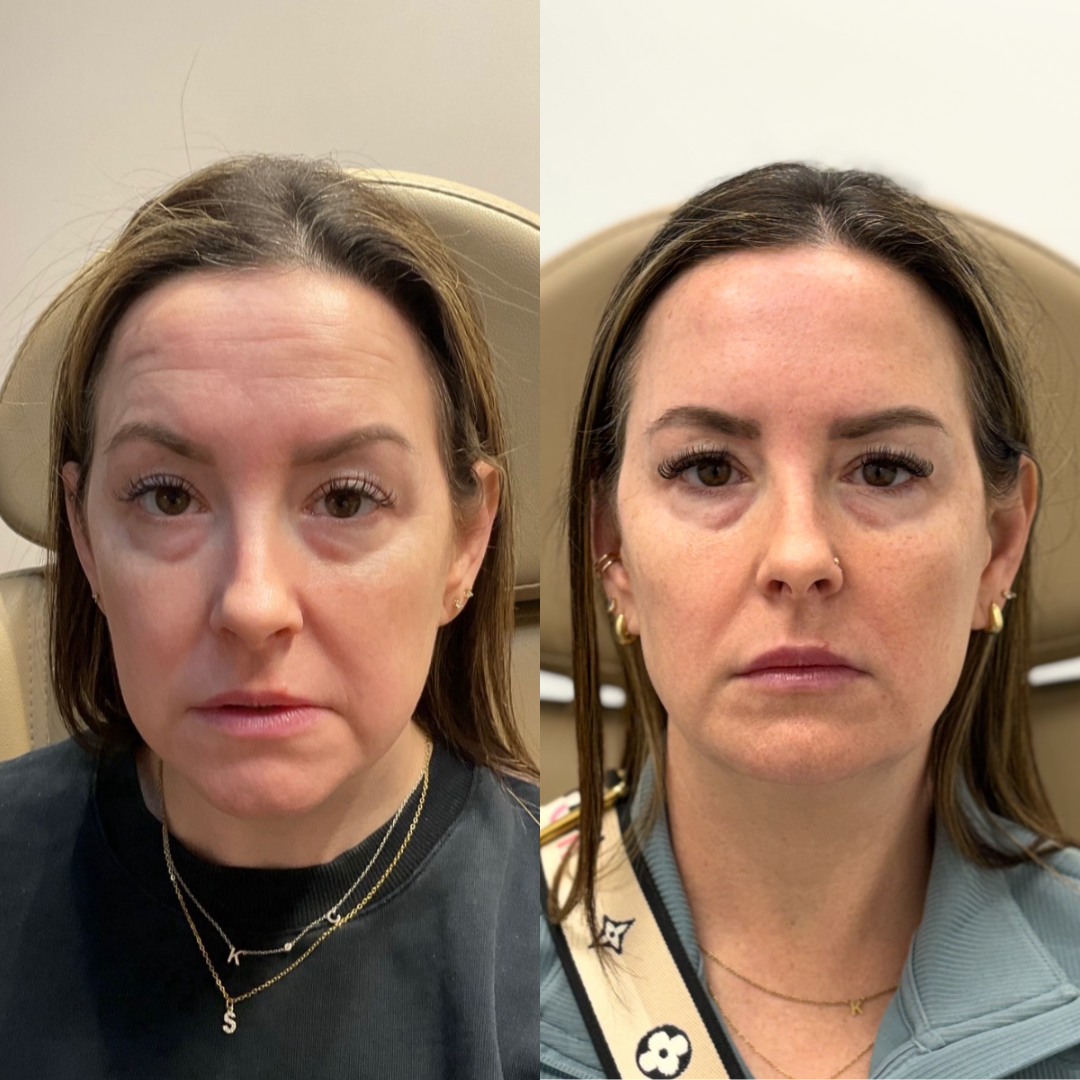
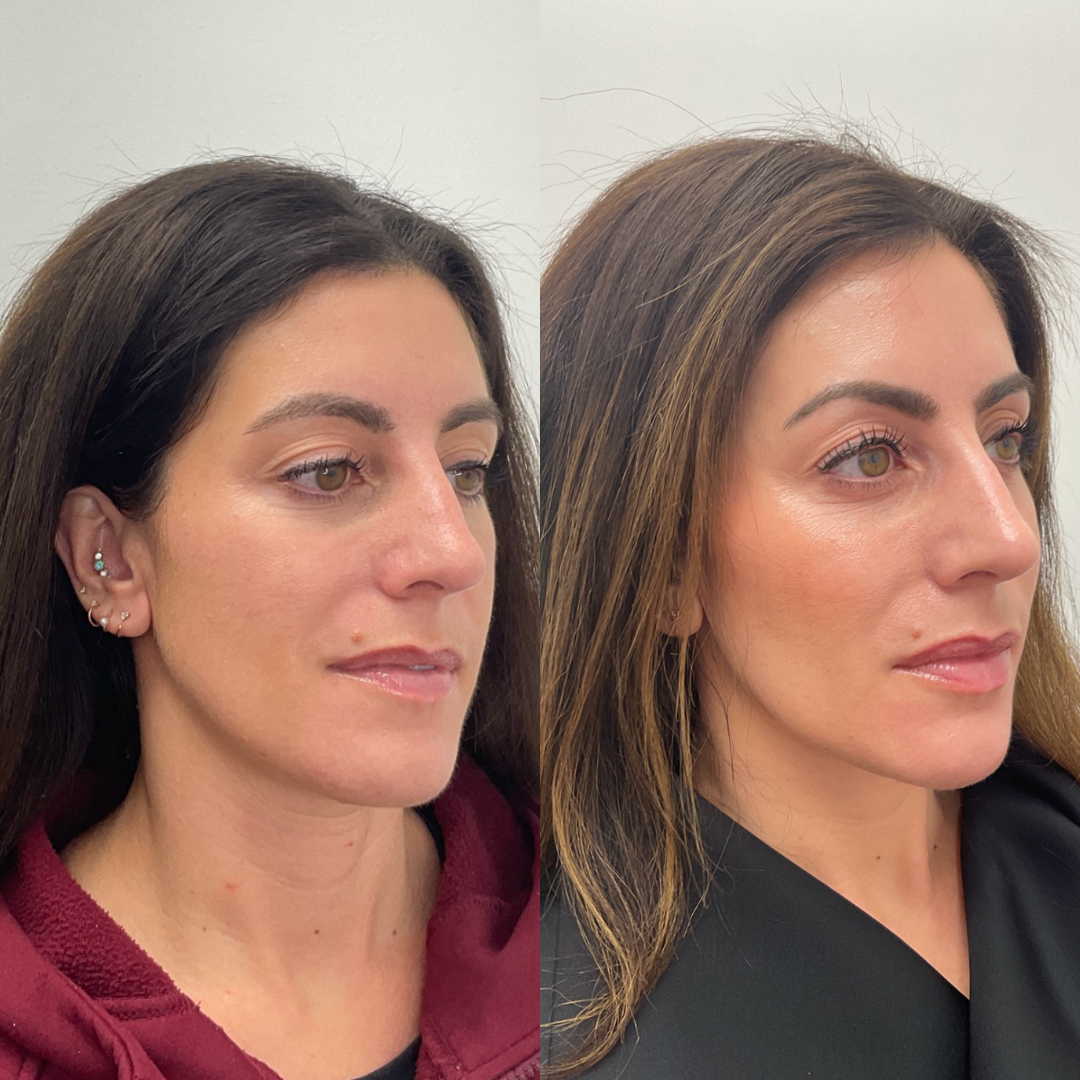
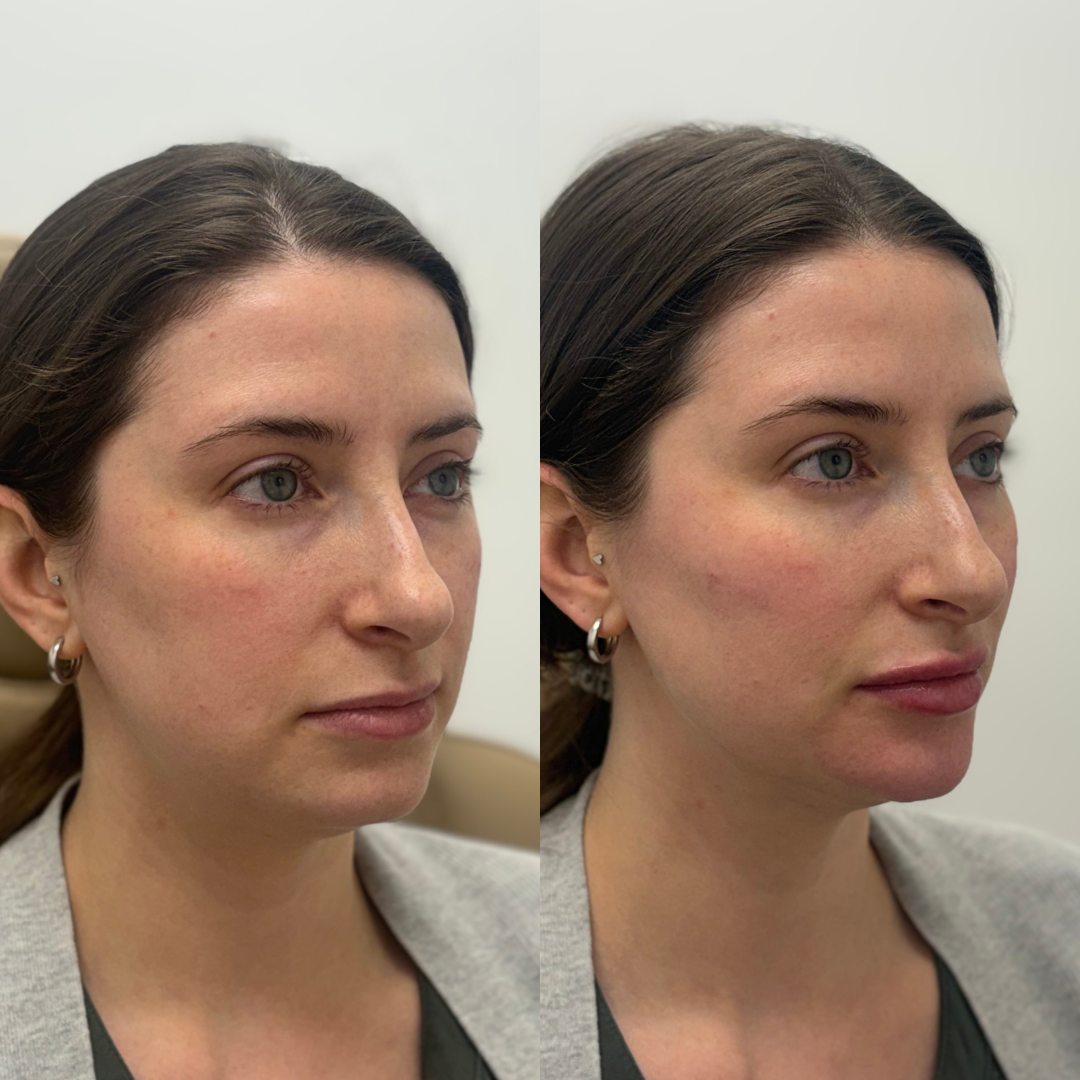
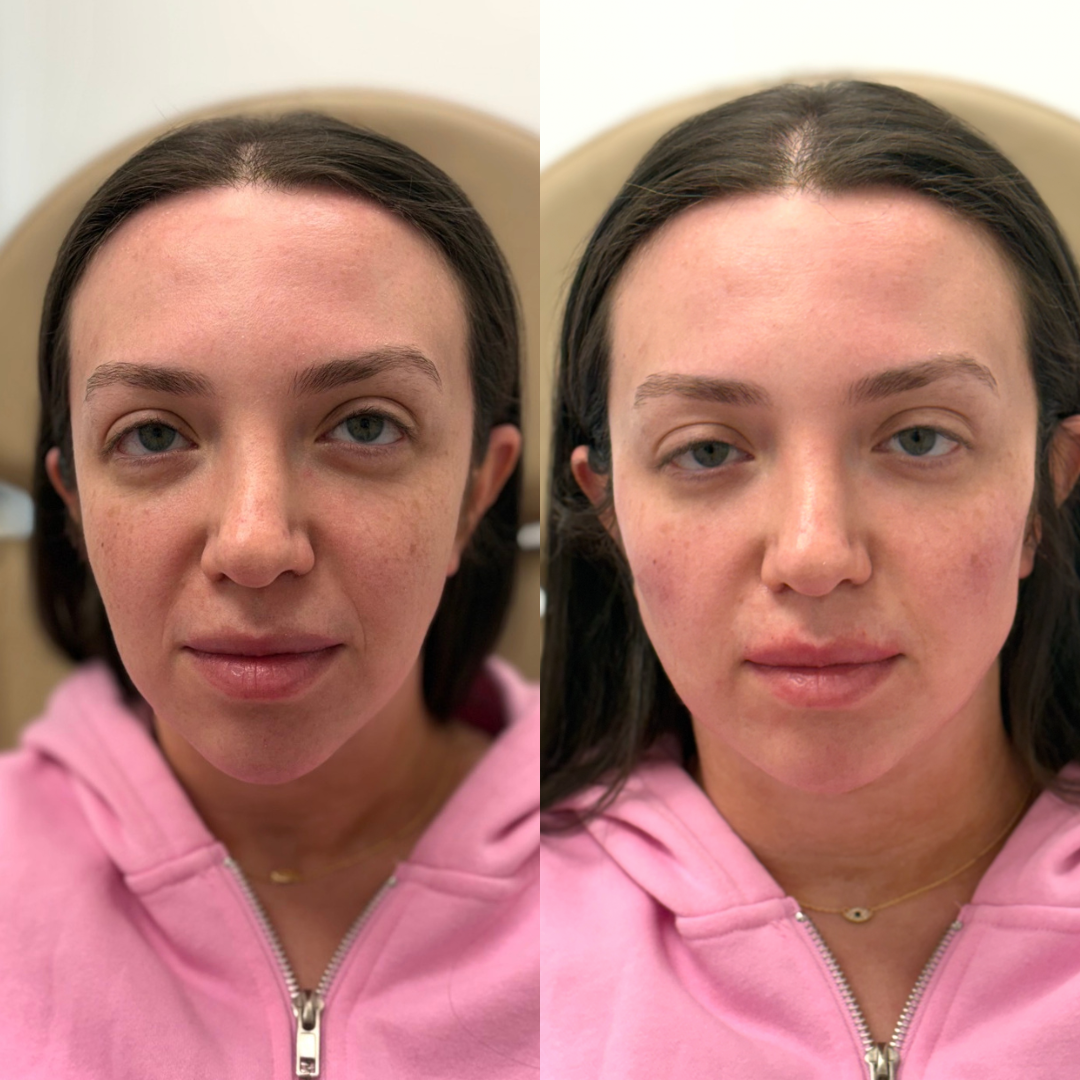
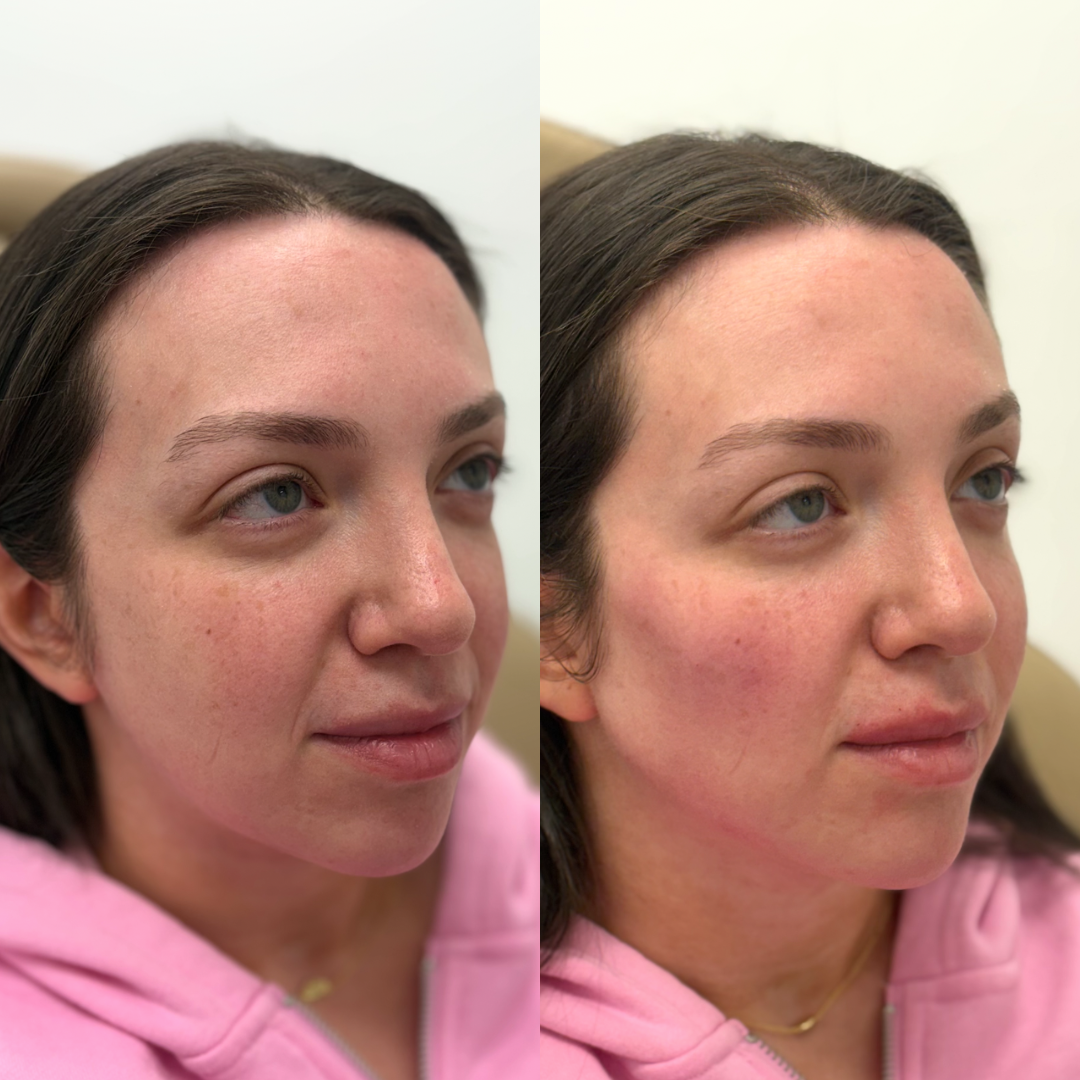
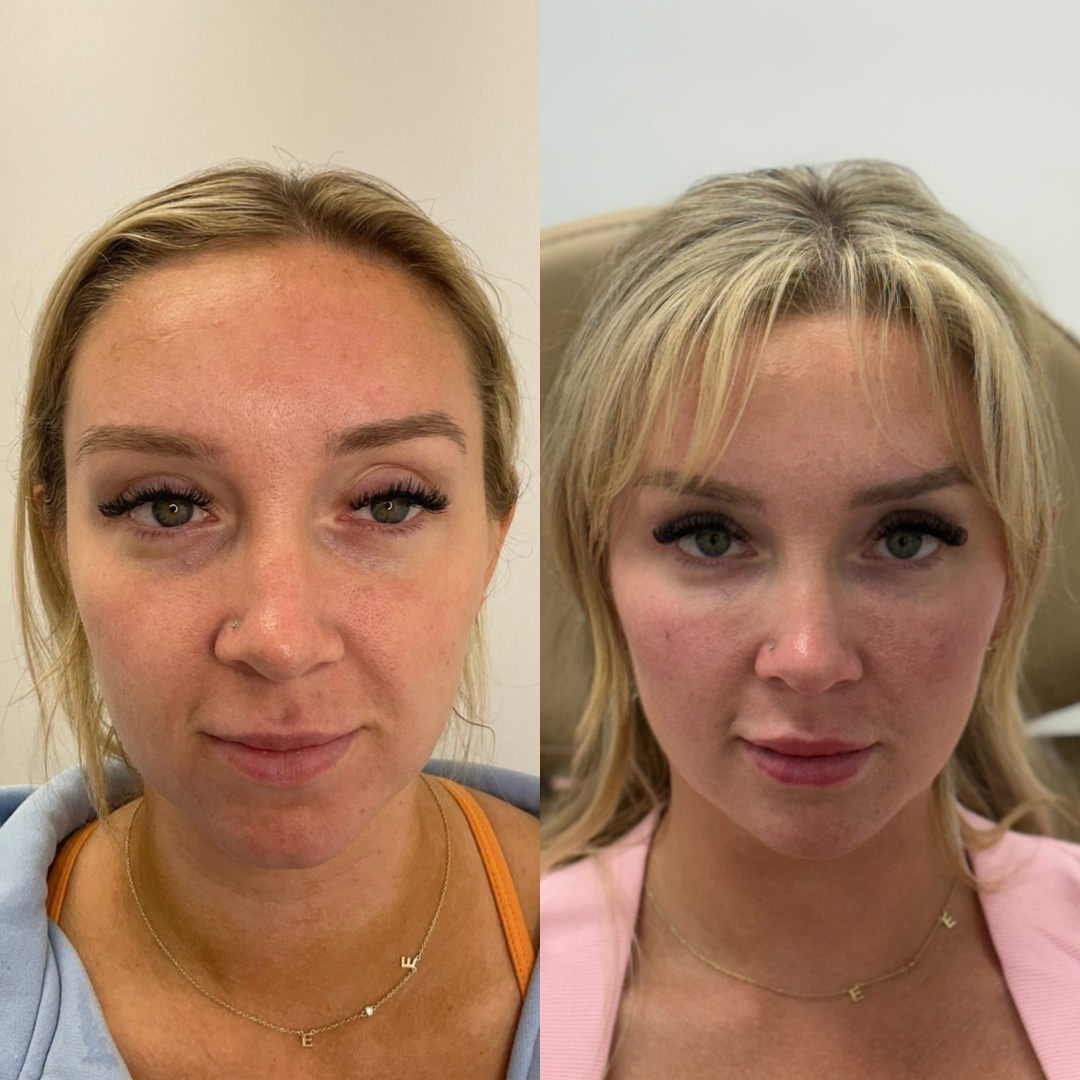
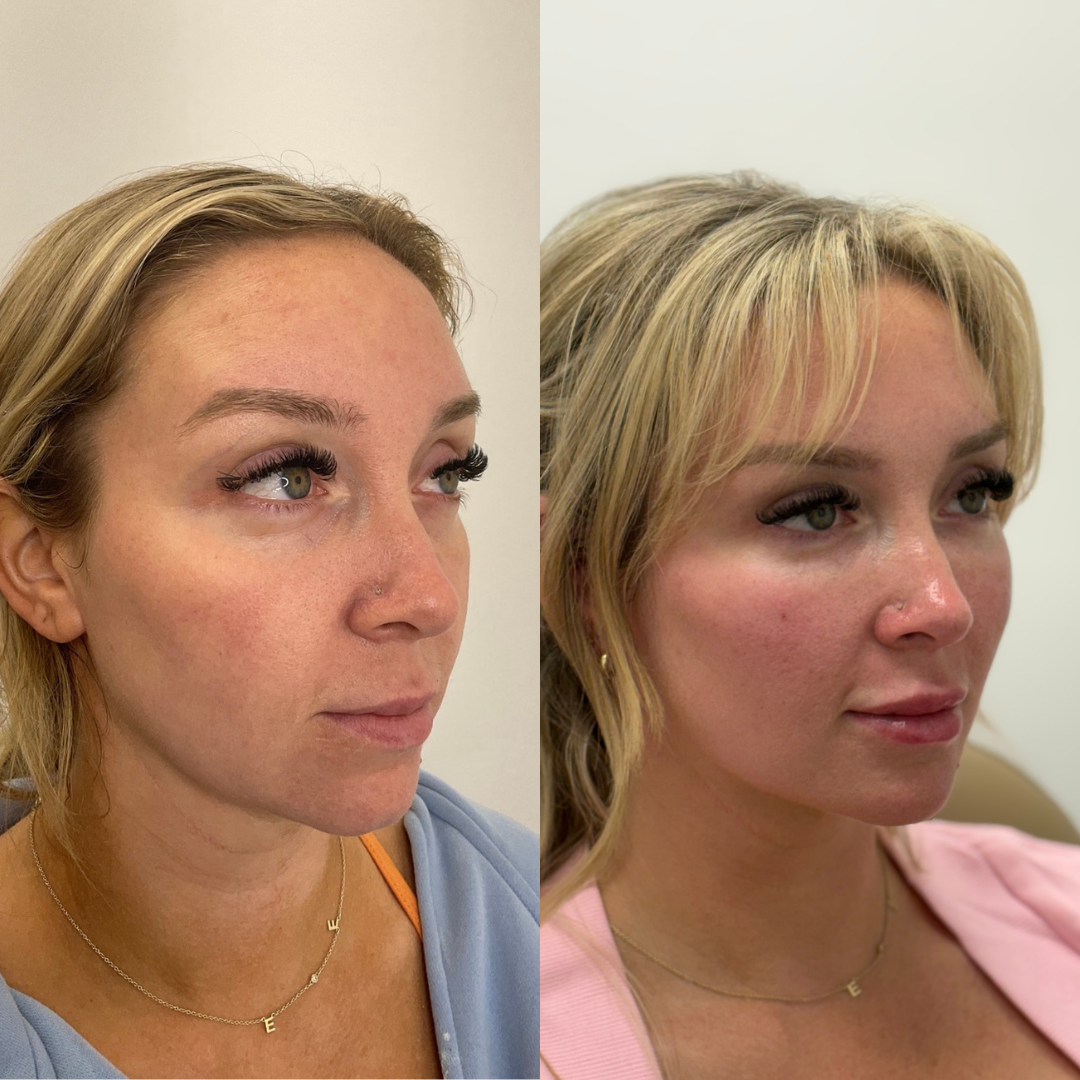
To explore a personalized approach to facial balancing, schedule a consultation at Rosewater Aesthetics in Clarkston, Michigan.
Individual results vary. A consultation is required to determine candidacy and develop an appropriate treatment plan. Some treatment areas and techniques may be considered off-label. Your provider will review the potential benefits, limitations, alternatives, and risks associated with any recommended treatment.
